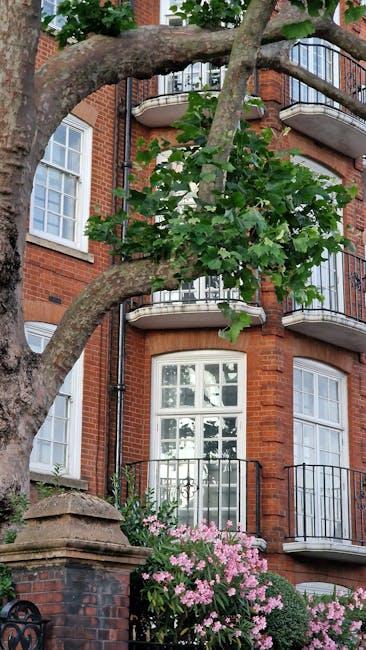
Chelsea gardeners local guide to Kings Road front gardens

If you live near Kings Road, you already know the front garden does a lot of work. It is the first thing people see, it sets the tone for the whole property, and in Chelsea it has to look considered without feeling overdone. A good Chelsea gardeners local guide to Kings Road front gardens should help you balance elegance, privacy, low maintenance and the realities of London life. That means tight access, busy pavements, shade from mature trees, and a need for planting that still looks fresh on a wet Tuesday in November. Not always simple. But very doable.
This guide breaks down how local gardeners approach front gardens along and around Kings Road, what works best in Chelsea, common mistakes to avoid, and how to choose practical improvements that actually suit the street. If you are planning a small refresh or a proper redesign, you will find the next sensible steps here.
Why Chelsea gardeners local guide to Kings Road front gardens Matters
Kings Road front gardens sit in one of those interesting Chelsea zones where everything looks easy from the pavement and a bit more complicated once you step inside. Space is often limited, boundaries matter, and neighbours notice details. A front garden that is neat, resilient and in tune with the street can quietly improve the whole feel of a home. That is especially true here, where kerb appeal is not just vanity; it can shape how a property is perceived day to day.
There is also a practical side. Front gardens in Chelsea are exposed to foot traffic, pollution, shade, winter wet, and the occasional hard prune that someone thought would "help". They need planting schemes and maintenance routines that cope with that reality. Truth be told, many front gardens fail not because the ideas were bad, but because they were too delicate for the site conditions.
Local gardeners who work in Chelsea tend to look at front gardens through three lenses: appearance, durability, and ease of upkeep. That combination is the real difference between a nice-looking garden for one season and a front space that keeps earning its keep year after year.
If you want broader support beyond front gardens, a good place to start is the site's services overview, which gives a clear sense of the kinds of work that can be combined into a sensible maintenance or redesign plan.
How Chelsea gardeners local guide to Kings Road front gardens Works
A local approach usually starts with the site, not the style. That sounds obvious, but plenty of people begin with a mood board and only later realise the front garden gets poor light or sits under a tree that drinks all the moisture. A good Chelsea gardener will typically assess access, soil condition, drainage, existing planting, hard landscaping, and how much maintenance you are realistically willing to do.
Then comes the shaping of the brief. Are you after a smart entrance with evergreen structure? A softer, more relaxed planting style? Better privacy from passers-by? Cleaner lines around steps, paths, or boundary walls? The front garden near Kings Road often needs a bit of all of these, just not at once. To be fair, that is where experience matters. The right answer is rarely the fanciest one.
In practical terms, the process often includes some combination of the following:
- clearing old, tired planting and checking what should be kept
- cutting back hedges or shrubs to restore shape and light
- improving soil and drainage where the ground is tired or compacted
- choosing structural plants that hold up through winter
- adding gravel, edging, or low walls for a neat finish
- setting a maintenance rhythm so the garden does not unravel after three weeks
If the garden has become cluttered or neglected, a targeted tidy-up first can make everything easier. In those cases, garden clearance is often the practical starting point before any finer work begins.
And if you already know the garden just needs consistent care rather than a rebuild, then regular garden maintenance can keep the whole frontage sharp without forcing a bigger project than you need.
Key Benefits and Practical Advantages
A well-planned front garden does more than look tidy. It changes how the property feels to arrive at, leave in the morning, and live with through the year. On Kings Road, where the street scene carries real visual weight, the benefits are both aesthetic and practical.
- Better kerb appeal: A strong first impression matters, especially in areas where properties are closely viewed from the street.
- Less ongoing stress: Robust planting and simple layouts are easier to keep under control.
- Improved privacy: Carefully chosen hedges and shrubs can soften the view without making the frontage feel closed in.
- Year-round structure: Evergreen backbone planting stops the garden from looking empty in the colder months.
- Safer access: Clear paths, tidy edges and well-managed steps make the front approach more usable.
- More consistent value from the space: Even a small front garden can work hard if it is laid out properly.
There is a quiet satisfaction in seeing a front border hold its shape after a few weeks of bad weather. Mud stays where it should, the hedge lines stay crisp, and the entrance still looks intentional. Small win, but a real one.
For homeowners comparing what needs doing now versus later, it can help to review pricing and quotes so you can judge whether a tidy-up, a maintenance visit, or a more considered landscaping project makes the most sense.
Who This Is For and When It Makes Sense
This guide is for homeowners, landlords, managing agents and anyone responsible for a Chelsea frontage that needs to look smart without becoming a full-time hobby. It is especially useful if your front garden is compact, shaded, overlooked, or already carrying the weight of too many plants that looked wonderful in the nursery and then promptly sulked. Happens all the time.
You may need this approach if:
- your front garden feels untidy but you do not know where to start
- plants are becoming overgrown or blocking light to the house
- you want a more polished look for a period property or townhouse
- you need something low maintenance because you are away often
- you are preparing a property for sale or letting
- the current layout is awkward around bins, bikes, steps, or a narrow path
Sometimes the answer is just a sharper maintenance plan. Other times the garden needs a structural rethink, possibly with landscape gardening or broader landscaping to improve the bones of the space before the planting can really sing.
If the front garden includes a small lawn strip, do not underestimate how much it affects the overall impression. A clean edge and regular lawn mowing can make the whole frontage feel better maintained, even before any planting changes happen.
Step-by-Step Guidance
Here is the practical way local gardeners usually tackle a Kings Road front garden. Not glamorous, but effective.
- Start with an honest assessment. Look at what the front garden actually gets: sun, shade, wind, drainage, footfall and visibility from the street. If a plant is failing, ask why before replacing it.
- Clear what is blocking the plan. Remove dead material, self-seeded weeds, broken pots, and anything that makes the space feel cramped. A good clearance stage can reveal the real shape of the garden.
- Decide what must stay. Mature shrubs, mature hedging, or a healthy small tree may be worth keeping if they suit the space. Don't rip out useful structure just because the border looks messy.
- Set the boundary lines. Define the edges of beds, steps, paving and paths. Clean lines do a lot of heavy lifting in a front garden.
- Choose the right planting mix. Use a backbone of evergreen shrubs, then add seasonal planting for movement and colour. The trick is restraint.
- Think in layers. A front garden usually works best with one layer for structure, one for texture, and one for seasonal change. Too many levels and it gets fussy quickly.
- Finish with maintenance rules. Decide how often hedges, edging, and lawn areas will be cut. If you do not set the rhythm, the rhythm sets itself, and usually not in a good way.
If taller shrubs or small trees are crowding windows, paths or light, specialist hedge trimming or, where appropriate, tree lopping and removal may be needed. That sort of work should always be approached carefully, especially near boundaries and public pavements.
For gardens with tired, weathered timber features or entrance platforms, you may also want to consider decking services where a practical raised surface or neat transition makes sense. It is not right for every frontage, but in some cases it solves awkward levels beautifully.
Expert Tips for Better Results
In our experience, the best front gardens in Chelsea do not try too hard. They look composed because the details are under control. That sounds simple, but it takes a bit of discipline.
Tip one: keep the palette tight. Two or three main plant tones usually look more luxurious than a busy mix of everything available at the garden centre. Repetition is your friend.
Tip two: design for winter first. If the garden looks good in January, it will probably look good the rest of the year. Evergreen structure, bark texture, clipped forms and neat hard edging carry a garden through the lean months.
Tip three: respect the frontage. A front garden is not the same as a private back garden. It is seen quickly, from several angles, and often at street speed. The design needs to read clearly from a distance.
Tip four: avoid overfilling containers. A couple of strong pots can sharpen the entrance. Too many pots, and suddenly the garden feels like a temporary storage area. Not ideal.
Tip five: plan maintenance around real life. If you are away at weekends or travel regularly, choose plants and finishes that can survive a missed visit. That is just being honest with yourself.
One small human moment: more than once, a homeowner has asked for "low maintenance" and then quietly shown us six thirsty pots, a clipped hedge, a lawn, and a rose that needs attention every five minutes. The phrase can mean many things. Better to define it early.
Common Mistakes to Avoid
Front gardens around Kings Road often go wrong in familiar ways, and they are avoidable if you spot them early.
- Choosing plants for looks only: A plant may look perfect in spring and then hate the site by July.
- Ignoring drainage: Waterlogged soil can undo even a well-designed garden.
- Over-pruning: Too much cutting can leave hedges or shrubs looking thin and stressed.
- Underestimating shade: London front gardens often have more shade than people expect, especially near mature buildings and trees.
- Mixing too many styles: Formal borders, cottage planting and contemporary gravel schemes can sit together, but only with a proper plan. Otherwise, it looks confused.
- Skipping maintenance planning: The garden may look good on the day it is finished, but what about six weeks later?
A common one is trying to save a failing layout by adding more plants. More is not always more. Sometimes it just means more watering, more pruning, more disappointment, and more trips with a green bin.
Tools, Resources and Recommendations
The right tools do not make a garden good by themselves, but they do make the work cleaner and safer. For front gardens in Chelsea, a gardener usually relies on a compact set of tools that can manage tight spaces without trampling beds or damaging paving.
Useful tools and items often include:
- sharp hand tools for precise edging and deadheading
- long-reach pruners for shrubs and higher branches
- hedge trimmers for even shaping
- lightweight wheelbarrows or tubs for narrow access
- mulch, compost and top dressing for soil improvement
- weed suppression materials where appropriate
- clean edging tools for borders and paths
From a homeowner perspective, the best resource is a realistic maintenance plan. That can be seasonal, monthly, or somewhere in between. If you need a one-off reset, start there. If you want the garden to stay presentable with less effort, schedule regular visits and keep the brief simple.
It is also sensible to work with a team that explains how they operate, how they handle safety, and what happens if the job changes once they see the site. Pages such as about us, insurance and safety, and health and safety policy are useful trust signals when you are choosing who to let into a private property.
If sustainability matters to you, look for a contractor who can talk plainly about waste handling and reuse. The recycling and sustainability approach should be practical, not just decorative wording. A neat garden should not create unnecessary waste behind the scenes.
Law, Compliance, Standards, or Best Practice
Front garden work in Chelsea is usually straightforward, but it still needs careful handling. If a garden borders a public pavement, shared wall, or neighbouring property, gardeners should work with care to avoid damage, nuisance, or blocked access. That is basic best practice, really, though it gets missed more often than it should.
For tree or hedge work, it is wise to check whether any protections apply before cutting heavily. Not every tree is protected, but some may be subject to local controls or conservation considerations. If there is any uncertainty, the sensible move is to pause and verify rather than assume.
Safe handling matters too. Sharp tools, ladders, heavy waste and compact entrances all create risk if the job is rushed. A professional team should have clear procedures for access, tidiness, and leaving the site safe at the end of the day. You do not want loose offcuts on a narrow pavement at dusk. It's a small thing until it isn't.
Contracts, payment terms and scope should also be clear before work begins. For that reason, it helps to read the service terms and practical payment information from the start, including terms and conditions and payment and security. It keeps expectations tidy on both sides.
Options, Methods, and Comparison Table
There is no single best way to improve a Kings Road front garden. The right method depends on the condition of the space, how much time you want to spend maintaining it, and how formal you want the result to feel.
| Approach | Best for | Pros | Watch-outs |
|---|---|---|---|
| Basic maintenance | Established gardens that mainly need tidying and shaping | Quick, cost-conscious, keeps everything under control | Won't fix deeper layout problems |
| Selective clearance and refresh | Overgrown or cluttered front gardens | Reveals the real structure, improves light and access | Can expose hidden issues that need follow-up work |
| Full redesign | Front gardens that feel awkward, dated or hard to maintain | Best chance to solve long-term problems properly | More planning, more budget, more decisions |
| Structural landscaping | Entrances needing new levels, edging, paving or defined boundaries | Creates a stronger visual framework | Needs careful design to suit the property style |
If you are not sure which route fits, start with the simplest honest version of the garden and work outward. A lot of good front gardens begin with maintenance and only later move into redesign once the practical problems are clear.
Case Study or Real-World Example
Here is a realistic example of how this often plays out. A Chelsea townhouse near Kings Road has a narrow front garden with one tired hedge, a couple of oversized pots, patchy planting, and a path that looks smaller every year because the shrubs keep leaning in. The owner likes plants, but does not want a weekend-consuming project.
The first step is a clear-out: remove dead annuals, thin overcrowded growth, and cut back the hedge to restore shape and light. Next, the planting is simplified into a structure of evergreen shrubs, a small number of seasonal plants, and cleaner edging around the path. A few pots are kept, but only the best ones. The rest are rehomed. Harsh? Maybe. Effective? Absolutely.
After that, the maintenance plan becomes the real hero. Instead of waiting until the garden looks tired again, the hedge is trimmed regularly, borders are tidied, and the lawn strip is kept neat if there is one. Within a few visits, the frontage feels calmer and more intentional. Not flashy. Better than flashy, actually. It looks cared for.
That is usually the goal with Kings Road front gardens: not to impress for one afternoon, but to look quietly right, day after day.
Practical Checklist
Use this checklist before starting any front garden project in Chelsea:
- Assess sun, shade, wind and drainage properly
- Decide whether the garden needs maintenance, clearance, or redesign
- Check what plants or structures are worth keeping
- Confirm access, waste removal and site protection arrangements
- Choose a simple, durable planting palette
- Keep pathways, entrances and steps clear and safe
- Plan hedge, shrub and lawn maintenance before the work starts
- Review terms, payment details and safety information
- Ask how recycling and waste handling will be managed
- Set a realistic follow-up schedule so the garden stays sharp
If the project feels larger than expected, that is normal. Front gardens have a way of revealing their little secrets once you start. The trick is to respond in stages, not panic and throw everything at it in one go.
Get a free quote today and see how much you can save.
Conclusion
A strong Chelsea front garden does not need to be complicated. It needs to be well judged. Around Kings Road, the best results usually come from a clear structure, sensible planting, and maintenance that fits the pace of real life in London. When those pieces line up, even a small frontage can look elegant, calm and genuinely useful.
If you are planning a refresh, start with the practical questions: what does the site need, how much time do you want to spend on it, and what should the garden feel like when you step outside in the morning? Answer those well and the design gets easier. Not easy, just easier. And sometimes that is enough.
For many homeowners, the most reassuring part is knowing the garden can be improved without losing its character. That is the sweet spot, really. A front garden that belongs to Chelsea, suits Kings Road, and still feels like yours.
Frequently Asked Questions
What makes Kings Road front gardens different from other Chelsea gardens?
Kings Road front gardens are often more exposed to public view, with tighter boundaries and a stronger need for visual order. They need to look polished fast, but also hold up under everyday weather, traffic and shade.
Should I choose maintenance or a full redesign?
If the garden is basically sound and just untidy, maintenance or selective clearance may be enough. If the layout feels awkward, cramped or expensive to keep up, a redesign can be more cost-effective in the long run.
What plants usually work well in a front garden in Chelsea?
Hardy evergreen shrubs, clipped forms, shade-tolerant perennials and a small amount of seasonal colour often work best. The exact mix depends on light levels, soil and how formal you want the frontage to feel.
How often should a front garden near Kings Road be maintained?
That depends on the planting and the season, but many front gardens benefit from regular attention rather than large, occasional clean-ups. A lighter, steady rhythm often keeps the space looking better with less disruption.
Do I need hedge trimming for a small front garden?
If you have hedging, even a small amount of growth can quickly affect light, shape and access. Regular hedge trimming helps keep the frontage tidy and stops plants from swallowing paths or windows.
Can a front garden be low maintenance and still look elegant?
Yes, absolutely. In fact, the most successful Chelsea front gardens are often the ones that look refined because the planting is limited, the edges are clean, and the maintenance is planned properly.
What should I do if the front garden is overgrown?
Start with clearance and a proper assessment. Once the excess growth is removed, it is much easier to see which plants can be kept, what needs replacing, and whether the layout itself needs changing.
Is landscaping worth it for a small frontage?
It can be, especially if the garden has awkward levels, poor drainage or unclear boundaries. Even small-scale landscaping can make a front garden much easier to maintain and better looking from the street.
How do I know if a tree or hedge work needs extra care?
If branches are near power lines, windows, neighbouring property or the pavement, extra caution is needed. Any major cutting should be done carefully, and if there is uncertainty about protections or ownership, it is wise to check before proceeding.
What is the biggest mistake homeowners make with front gardens?
Probably choosing plants or finishes without thinking about maintenance. A front garden only stays attractive if the design matches the amount of time, light and care it will actually get.
Where can I find more information about the services behind this kind of work?
You can review the wider range of options on the services overview page, then explore practical details like garden maintenance, garden clearance, and landscaping depending on what your frontage needs.
How do I get started if I am unsure what my front garden needs?
Begin with an assessment and a conversation about priorities. A good local gardener will help you decide whether the first step is tidying, pruning, clearing, or a bigger plan. That first honest look usually saves time later.
If you would like to discuss a Kings Road frontage that needs careful attention, start with a simple enquiry and build from there. A well-kept front garden has a funny way of making the rest of the house feel calmer too, and that is no small thing.