Same day Chelsea gardeners emergency callouts and what to expect
When your garden suddenly goes from manageable to messy, waiting a week is not much help. A fallen branch, a flooded border, a broken fence panel after a windy night, or an overgrown entrance that has become a safety issue can all need fast attention. That is where same day Chelsea gardeners emergency callouts and what to expect becomes a practical question, not just a search term.
In plain English, an emergency callout is a rapid-response gardening visit designed to make a site safe, usable, and under control again. It is usually not about perfecting the garden in one go. It is about dealing with the immediate problem quickly, sensibly, and with as little fuss as possible. This guide explains how the process works, what a good response looks like, what to prepare, and how to avoid the common mistakes that slow everything down. If you are dealing with urgent overgrowth, storm damage, or a garden access issue, you are in the right place.
You may also find it useful to look at the broader services overview and the company's approach to insurance and safety before booking anything urgent. A calm five minutes of reading now can save you a slightly chaotic afternoon later. Happens more often than people admit.
Table of Contents
- Why same day Chelsea gardeners emergency callouts matter
- How emergency callouts work
- Key benefits and practical advantages
- Who this is for and when it makes sense
- Step-by-step guidance
- Expert tips for better results
- Common mistakes to avoid
- Tools, resources and recommendations
- Law, compliance, standards, and best practice
- Options, methods, and comparison table
- Case study or real-world example
- Practical checklist
- Conclusion
- Frequently asked questions
Why Same day Chelsea gardeners emergency callouts and what to expect Matters
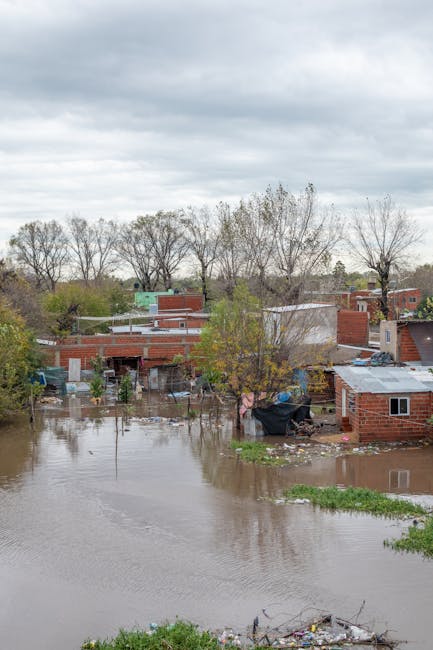
Urgent garden problems are rarely just about appearance. In Chelsea, gardens often sit close to paths, side access routes, basements, parked cars, or shared boundaries. That means a small issue can turn into a bigger one very quickly. A branch hanging low over a walkway, a hedge blocking visibility, or a pile of green waste after a storm can become a nuisance, a trip hazard, or a problem for neighbours.
What makes same day callouts valuable is speed plus judgement. A decent emergency gardener does not simply turn up and start cutting. They assess what is unsafe, what can wait, and what will give you the fastest useful improvement. That distinction matters. A rushed job that clears the wrong thing first can leave the real issue untouched. Not ideal.
There is also peace of mind. When you know someone is coming the same day, you can stop guessing, stop phoning around, and start planning the rest of your day. It sounds simple, but when the wind has just ripped a branch loose at 8am, simple is a gift.
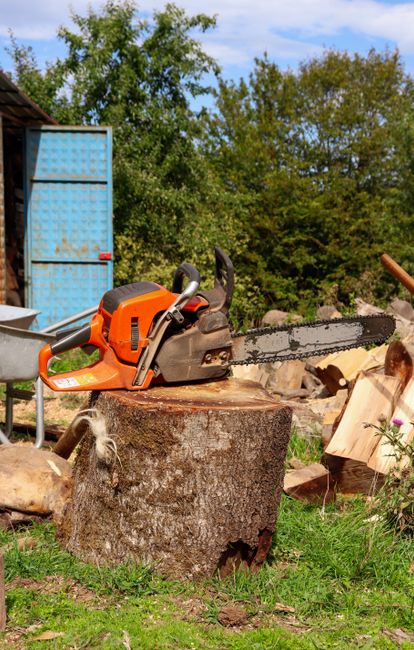
For urgent overgrowth, blocked access, or a garden that needs a swift reset, services such as garden clearance, hedge trimming, and tree lopping and removal are often the most relevant starting points.
How Same day Chelsea gardeners emergency callouts and what to expect Works
The process is usually straightforward, though it moves faster when you provide clear information. Most emergency callouts begin with a brief phone conversation or enquiry. The aim is to identify the issue, judge urgency, and decide whether the team can attend the same day. If the garden is difficult to access, if there are large branches involved, or if the job may need specialist equipment, that should be mentioned early.
Here is the typical flow:
- Initial contact. You explain what happened, where the problem is, and whether anything is blocked or unsafe.
- Fast assessment. The gardener works out whether it is a clearance issue, cutting job, light landscaping fix, or a more complex safety matter.
- Arrival window agreed. Same day does not always mean "in the next ten minutes". It usually means a realistic visit slot, often with a short notice window.
- On-site inspection. The gardener checks the area, the risk level, the tools needed, and whether any part of the work should wait for better conditions.
- Immediate action. The priority is to make the space safe and manageable.
- Follow-up advice. If the issue needs a second visit, a fuller maintenance plan, or longer-term repair, you should be told plainly.
That last point is a good sign. Emergency callouts are about practical triage. Not every problem can be fully solved in one burst, and a trustworthy gardener will say so without dressing it up.
Expert summary: The best same day emergency callout is the one that solves the immediate risk first, gives clear pricing expectations, and leaves you with a sensible next step rather than a half-finished mess.
Key Benefits and Practical Advantages
There are several reasons why people choose urgent garden support instead of waiting for a normal booking slot. The most obvious one is timing, but the practical value goes further than that.
- Immediate safety improvement. Loose branches, unstable growth, or debris can be dealt with before someone trips, slips, or gets hurt.
- Better access. If paths, gates, drives, or side entrances are blocked, a same day visit can restore normal movement quickly.
- Less stress. When weather, neighbours, or a landlord are involved, getting a professional out the same day reduces pressure.
- Damage limitation. Fast action can stop a small issue becoming a larger one, especially after storms or strong winds.
- Professional judgement. A competent gardener can separate cosmetic mess from urgent risk, which helps you spend money in the right place.
- Useful next-step planning. Many emergency jobs reveal underlying work, such as tired borders, neglected hedges, or drainage-related garden decline, that can be addressed later through garden maintenance or landscaping.
There is a quieter benefit too. A fast, clean response often prevents the garden from looking abandoned for days. In Chelsea, where outdoor space is often compact and visible, that matters more than people think. You look out the window and breathe a bit easier. Simple, but real.
Who This Is For and When It Makes Sense
Same day callouts are not for every gardening task. They make sense when the issue is urgent, disruptive, or potentially risky. If your request is more about routine upkeep, you may be better served by a scheduled visit. But if time is the problem, same day is a strong option.
This service is often a good fit for:
- homeowners dealing with sudden storm damage
- landlords preparing a property for inspection or handover
- managing agents who need a garden made presentable quickly
- business owners with external spaces that must stay accessible
- older residents who cannot safely deal with heavy debris themselves
- families needing paths, steps, or entrances cleared fast
- people who have just inherited or moved into an overgrown property
It is also useful when you have a deadline. Maybe guests are arriving that evening, maybe a photographer is due tomorrow, or maybe a neighbour has politely pointed out the ivy is doing something a bit too ambitious. Not everything has to be dramatic for it to be urgent.
For lower-pressure work, a planned visit through lawn mowing or routine garden maintenance may be more appropriate. That said, if you are unsure, a same day assessment can still help you decide.
Step-by-Step Guidance
If you want the smoothest possible experience, it helps to know what to do before the gardener arrives. The best callouts feel orderly because the customer has done a little prep and the team has enough information. Not perfect, just prepared.
1. Identify the immediate problem
Be specific. Instead of saying "the garden is bad", try "a branch has fallen across the path" or "the hedge is blocking the front gate". The more precise your description, the better the response.
2. Check whether anyone is in danger
If there is an obvious hazard, keep people and pets away from the area. Do not try to move heavy limbs, unstable fencing, or hanging branches yourself. That is one of those jobs that looks easier than it is until it is suddenly not.
3. Take a quick photo if you can
Photos help the gardener understand the scale of the job before arriving. A couple of clear pictures are usually enough. If you cannot send photos, a good verbal description still works, but images can save time.
4. Explain access and constraints
Is there side access? Is parking restricted? Is the garden shared? Are there low walls, fragile paving, or awkward entrances? These details change how the team plans the visit.
5. Ask what the same day visit will include
This is a useful question. Will the callout focus on clearance only? Will waste be removed? Is there likely to be a second stage later? Good communication avoids misunderstandings.
6. Confirm pricing structure
You do not need a full spreadsheet. Just ask how the callout is priced, whether there is a minimum charge, and what could increase the cost. A transparent quote process is a sign of professionalism, and it is worth comparing via the site's pricing and quotes guidance.
7. Make space for the work
Move small items, bins, or delicate pots out of the way if it is safe to do so. This lets the gardener begin quickly. If you can do nothing, that is fine too. It happens.
8. Review the result and next steps
Once the urgent issue is dealt with, ask what maintenance or follow-up would prevent recurrence. A quick emergency job may reveal the need for seasonal trimming, a more structural fix, or ongoing maintenance support.
Expert Tips for Better Results
In our experience, the fastest callouts go best when the customer thinks like a problem-solver for two minutes before the gardener arrives. No need to overdo it, just enough to make the visit efficient.
- Prioritise the hazard, not the whole garden. If one part is blocked, focus on that first. The rest can wait.
- Be honest about the scale. If the hedge is chest-high in one place and head-high in another, say so. Understating the problem tends to slow things down.
- Keep pets indoors. Tools, open gates, and green waste can make the space hectic for animals.
- Ask about waste removal early. A pile of cuttings can be just as annoying as the original problem if it is not handled properly.
- Think about weather. Rain, wind, and poor light all affect what can safely be done on the day.
- Use the visit to spot recurring issues. If the same corner keeps flooding or the same hedge keeps encroaching, a bigger fix may be worthwhile.
A good emergency gardener will often suggest a sensible blend of immediate clearance and follow-up work. For example, a border might be made tidy today, then restructured later with planting or layout improvements through landscape gardening. That is not upselling for the sake of it. Sometimes it is just the right sequence.
One small tip that sounds almost too obvious: keep your phone nearby. If the team cannot find the entrance or needs to check access, being contactable saves a lot of wandering around. Chelsea streets can be beautifully confusing at times.
Common Mistakes to Avoid
Urgent jobs bring out impulsive decisions. Fair enough. But a few common mistakes can make the experience slower, pricier, or less effective than it needs to be.
- Waiting too long to call. If a branch is unstable or an access route is blocked, delay only makes the job harder.
- Trying to "just fix it yourself" without the right tools. Light tidying is one thing. Heavy cutting, lifting, or climbing is another.
- Not mentioning hidden access issues. Locked gates, narrow side alleys, and parking restrictions all matter.
- Assuming emergency means full redesign. A same day visit is usually a stabilisation service, not a complete garden transformation.
- Ignoring follow-up maintenance. If the garden got into trouble because it had been neglected for months, a one-off clear-up may not hold for long.
- Choosing solely on speed. Fast is useful, but the work still needs to be safe, insured, and properly communicated.
To be fair, it is easy to make one of these mistakes when you are stressed. The trick is simply to pause for a minute, gather the facts, and make the call with a clear head.
Tools, Resources and Recommendations
You do not need specialist equipment to arrange an emergency visit, but a bit of preparation helps. Think in practical terms.
| Item or resource | Why it helps | What to look for |
|---|---|---|
| Phone photos | Gives a clearer picture of the issue before arrival | Wide shot plus close-up of the problem area |
| Access notes | Saves time on arrival | Gate codes, parking restrictions, side access details |
| Basic site clearance | Helps the gardener start quickly | Move small pots, bikes, or loose items if safe |
| Waste plan | Prevents a tidy-up becoming a second mess | Ask how clippings and debris will be removed |
| Follow-up service options | Useful if the issue needs longer-term attention | Maintenance, hedge care, clearance, or landscaping support |
It can also help to browse the company's wider commitment pages, especially if you care about how work is carried out and what happens to green waste. The pages on recycling and sustainability and health and safety policy are relevant reading if you want a better sense of standards and working practices.
If the problem is part of a bigger garden reset, you might also explore decking services or structural landscaping once the urgent issue is out of the way. Emergency work and planned improvements often go hand in hand, oddly enough.
Law, Compliance, Standards, or Best Practice
Not every emergency garden job is governed by strict rules, but good practice still matters. In the UK, responsible gardening and tree work should take account of safety, property boundaries, waste handling, and any potential impact on neighbouring areas. If a job involves trees, large limbs, or unstable structures, care should be taken before cutting or removing anything.
A sensible gardener will think about the following:
- Site safety. Tools should be used only where there is enough room and a safe working method.
- Property boundaries. Work near fences, walls, and shared access routes should be handled carefully.
- Waste handling. Green waste should not just be dumped out of sight and forgotten.
- Insurance awareness. When work carries more risk, it is fair to expect the operator to be appropriately insured and to explain how the job will be managed.
- Respect for neighbours. Noise, access, and temporary obstruction should be kept sensible where possible.
If a job looks beyond a simple garden tidy-up, ask for clarification rather than guessing. That is especially true for higher, heavier, or more complex work. And yes, it is perfectly reasonable to ask how they approach safety. You are not being awkward. You are being sensible.
For customers who want reassurance about how a provider handles practical and legal housekeeping, the site's pages on terms and conditions and about us can also help frame what to expect from a professional service.
Options, Methods, and Comparison Table
Different garden problems need different responses. A same day callout is not always the only choice, but it is often the fastest one. Here is a simple comparison to help you decide.
| Option | Best for | Pros | Limitations |
|---|---|---|---|
| Same day emergency callout | Urgent hazards, blocked access, storm debris | Fast, practical, reduces immediate risk | May only address the urgent part first |
| Scheduled garden maintenance | Routine upkeep, recurring tidiness | More planned, usually better for ongoing care | Not suitable when you need help immediately |
| Garden clearance visit | Heavy debris, overgrowth, neglected spaces | Good for large-scale reset work | May be more than you need for a minor issue |
| Specialist tree work | Large branches, damaged trees, high-risk removals | Better suited to complex or elevated work | Requires more assessment and planning |
Sometimes the best answer is a combination. For example, a same day visit might remove a dangerous branch and make the path safe, then a second visit handles hedge reduction and border cleanup. That staged approach is often the most cost-effective too, though it depends on the site.
Case Study or Real-World Example
Picture a modest Chelsea townhouse garden after a windy night. A large branch has come down across the rear path, a hedge has bowed into the seating area, and loose twigs are scattered over the paving like someone dropped a crate of matchsticks. Nothing dramatic enough for a full disaster film, but enough to stop normal use of the space.
The customer calls early morning, explains that the back gate is partly blocked, and sends two photos. The gardener arrives with cutting tools, waste bags, and a plan to make the area safe first. The branch is removed carefully, the path is cleared, the hedge is trimmed back only where it is creating obstruction, and the waste is taken away. The rest of the garden is not transformed. That was never the brief.
Later in the week, the customer books a follow-up maintenance visit to finish the tidy-up properly. That is how a good emergency response should work: quick containment first, longer-term care second. No drama, no promises that sound too polished, just a useful result.
Practical Checklist
Use this before and during a same day emergency callout:
- Confirm the issue is actually urgent.
- Keep people and pets away from any hazard.
- Take a couple of clear photos.
- Note access details, parking limits, or locked gates.
- Describe the problem in plain language.
- Ask what the visit will include.
- Check whether waste removal is part of the job.
- Ask for a clear price explanation.
- Make space for the team to work safely.
- Ask what follow-up care might be sensible.
If the emergency has revealed a bigger issue, it may be time to think beyond a quick fix. Ongoing garden maintenance can prevent repeat problems, while targeted hedge trimming or lawn mowing can help keep things manageable through the season.
Conclusion
Same day Chelsea gardeners emergency callouts are about quick, practical support when a garden problem cannot wait. The best outcomes are usually the least theatrical: a clear explanation, a safe response, sensible pricing, and an honest view of what will be solved today versus what should be handled later. That is the kind of service that feels reassuring rather than rushed.
If you prepare well, ask the right questions, and stay focused on the immediate issue, the whole experience becomes much easier. And once the urgent mess is under control, you can get back to enjoying the space again instead of staring at it through the window and sighing. We have all done that.
Get a free quote today and see how much you can save.
If you would like to understand the company behind the service, take a look at about us or get in touch through the contact page when you are ready.
Frequently Asked Questions
What counts as a gardening emergency?
An emergency is usually anything that creates immediate risk, blocks access, or stops you using the garden safely. Common examples include fallen branches, storm debris, unstable hedges, or heavy overgrowth that blocks entrances.
How quickly can a same day Chelsea gardener arrive?
That depends on the time of day, workload, access, and the complexity of the issue. Same day usually means the team aims to attend later that day, not necessarily within minutes. A realistic window is better than a vague promise.
Will the gardener fix everything in one visit?
Not always. Emergency callouts are often focused on immediate safety and access. If the garden needs a bigger tidy-up or structural work, the gardener may suggest a follow-up visit. That is normal.
What should I tell the gardener when I call?
Explain what happened, where the problem is, whether anyone is at risk, and whether access is difficult. Photos are helpful too. The more precise you are, the better the response.
Do I need to be at home for the visit?
Usually yes, especially for the first visit. If you cannot be there, ask whether access arrangements are possible and make sure the team can reach the affected area safely.
How much does an emergency callout cost?
Costs vary depending on the size of the job, urgency, access, waste removal, and whether specialist work is involved. It is sensible to ask for a clear breakdown before confirming.
Is a same day callout the same as garden clearance?
Not exactly. A same day callout is about speed and immediate response. Garden clearance is a type of work that may happen during the visit, especially if the space is full of debris or overgrowth.
Can emergency gardening include tree work?
Yes, but only where it is appropriate and safe. Larger or more complex tree issues may need specialist attention. If a branch is high, heavy, or unstable, it should be discussed carefully before work begins.
What if the problem is not urgent after all?
A good gardener will tell you honestly. The job may be better handled as a scheduled maintenance visit rather than an emergency. That kind of honesty is a good sign, not a bad one.
Should I clear the garden before the gardener arrives?
Only if it is safe and simple to do so. Move small items if you can, but do not try to handle anything heavy or unstable. Safety first. No heroics needed.
What happens to the waste after a callout?
That depends on the agreed service. In many cases, clippings and debris are removed as part of the job, but you should confirm this before the team starts. Good waste handling is part of a tidy, professional response.
When should I book routine maintenance instead of an emergency visit?
If the garden is simply untidy, overgrown in a slow-burn way, or due for regular upkeep, routine maintenance is usually the better option. Emergency callouts are best reserved for urgent, disruptive, or potentially unsafe situations.