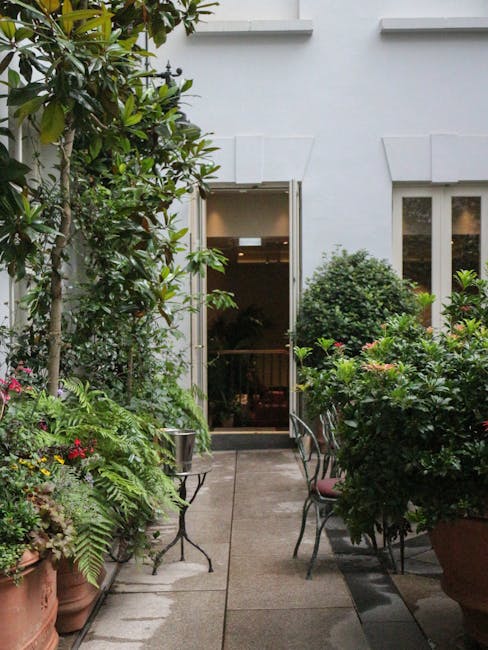
Sloane Square gardeners quick tips for small courtyard gardens
Small courtyard gardens can be some of the most satisfying spaces to work with, but they can also be the most unforgiving. One awkward corner, one shady wall, one bit of poor drainage, and suddenly the whole place feels cramped. That is exactly why Sloane Square gardeners quick tips for small courtyard gardens matter: they help you make a modest space feel calm, usable, and genuinely beautiful without overcomplicating the job.
If you live in or around Sloane Square, chances are your garden is less about sweeping lawns and more about getting the details right. In a compact courtyard, the right plant choice, hard surface, lighting, and maintenance rhythm can change everything. The good news? You do not need a huge budget or a big redesign to improve it. Often, a few smart moves are enough.
Below, you will find practical guidance for planning, planting, tidying, and maintaining a small courtyard so it looks good through the seasons, not just on one sunny afternoon in May.
Table of Contents
- Why these quick tips matter in a small courtyard
- How the approach works in practice
- Key benefits and practical advantages
- Who this is for and when it makes sense
- Step-by-step guidance
- Expert tips for better results
- Common mistakes to avoid
- Tools, resources and recommendations
- Law, compliance, standards, and best practice
- Options, methods, or comparison table
- Case study or real-world example
- Practical checklist
- Conclusion
- Frequently asked questions
Why Sloane Square gardeners quick tips for small courtyard gardens Matters
Courtyard gardens are often treated as "simple" because they are small. In reality, small spaces need more discipline, not less. Every pot, paving choice, and plant has to earn its place. If you get one thing wrong, you notice it straight away. If you get things right, though, the reward is immediate: the space feels bigger, quieter, and easier to live with.
In Sloane Square and nearby Chelsea streets, courtyard gardens often sit between period walls, basement light wells, terraces, and tight access routes. That creates a few common challenges: limited sunlight, reflected heat from brick or stone, awkward drainage, and not much room for storing tools or moving large plants around. There is often pressure to make the garden look elegant too, which is fair enough. Nobody wants a courtyard that feels like a storage yard with a lavender plant in it.
Quick tips matter because they help you focus on high-impact changes. Instead of trying to fill the space, you learn how to shape it. Instead of fighting the size, you work with the proportions. That mindset is what separates a tidy-but-forgettable courtyard from one that feels intentional.
For many homeowners and landlords, the aim is not a botanical showpiece. It is a garden that looks cared for, supports daily life, and does not become a maintenance headache. That is especially useful in central London, where time is limited and outdoor space is at a premium.
How Sloane Square gardeners quick tips for small courtyard gardens Works
The basic idea is straightforward: start with structure, then soften it with planting, then build a maintenance routine that keeps everything under control. That order matters. In a small courtyard, if you begin with plants and ignore the layout, you can end up with a crowded, awkward result.
A good courtyard usually combines three layers:
- Hard landscaping such as paving, stepping stones, decking, raised edges, or a seating platform
- Planting structure such as shrubs, climbers, small trees, and repeated pots
- Maintenance detail such as trimming, watering, sweeping, and seasonal tidy-ups
The best short-form advice is to think in terms of sightlines. What do you see first when you step outside? What do you see from the kitchen window? What feels cluttered when it rains, when the plants are wet, or when the evening light drops? A courtyard works well when every viewpoint has been considered.
In practice, the process is usually:
- Clear the space and remove anything that no longer earns its keep.
- Assess light, shade, wind, and drainage.
- Decide whether you need more structure, softer planting, or both.
- Choose a simple planting palette rather than too many species.
- Set up an easy maintenance rhythm so the garden stays looking crisp.
That sounds obvious, but it is amazing how often people reverse the order. They buy plants first. Or furniture first. Or a beautiful container that is far too large for the space. Happens all the time.
If the courtyard needs a bigger reset, a service such as garden clearance can help remove old clutter before you rebuild the space properly. If you want the area kept in shape all year, ongoing garden maintenance is often the most practical route.
Key Benefits and Practical Advantages
There are plenty of good reasons to invest time in a small courtyard, even if it is only a few square metres. The benefits are not just aesthetic. A well-planned courtyard feels easier to use and less stressful to maintain, which is the whole point, really.
- More apparent space: Clean lines, repeated materials, and restrained planting make the garden feel larger.
- Better light: Lighter paving, thoughtful plant placement, and uncluttered corners help bounce light around.
- Less upkeep: Simpler planting schemes usually mean less pruning, less deadheading, and fewer plant losses.
- Stronger year-round structure: Evergreen form, clipped edges, and well-placed containers keep the garden looking alive in winter.
- Improved privacy: Trellis, climbers, and screening planting can soften overlooking windows without making the space feel boxed in.
- Higher everyday value: A courtyard that is easy to sit in, walk through, and enjoy gets used more often.
There is also a quieter benefit. A courtyard done well can make a whole property feel more finished. You notice it when you come home on a damp evening and the space still looks orderly. You notice it on a grey morning when the planting is doing just enough to lift the mood. That sort of thing matters more than people admit.
If sustainability is part of your thinking, choosing durable materials and lower-waste maintenance habits can help too. The team behind recycling and sustainability practices can be a useful reference point when planning garden waste handling and responsible material choices.
Who This Is For and When It Makes Sense
This approach is ideal for anyone with a small courtyard, light well, basement garden, terrace garden, or compact paved back garden that feels a bit tired. It is especially helpful if the space currently suffers from one of these problems:
- too many pots with no clear layout
- patchy or overgrown planting
- limited sunlight and poor growth in some corners
- hard surfaces that feel stark or cold
- clutter after a tenancy change or long period of neglect
- awkward access that makes larger garden projects difficult
It also makes sense if you are considering a simple refresh rather than a full redesign. Sometimes people want a dramatic transformation when what they really need is better proportion, a few structural plants, and a cleaner maintenance rhythm. Truth be told, that is usually enough.
Property owners, busy professionals, landlords, and residents who travel often tend to benefit most from a low-fuss courtyard plan. So do people who host guests or use the garden as a quiet breakfast spot. Small spaces are at their best when they feel easy. Not fussy. Easy.
If the space needs a broader design rethink, a professional landscape gardening approach can help balance planting, layout, and practical use. For hard-surface changes or layout improvements, landscaping support can be the better fit.
Step-by-Step Guidance
1) Start by clearing visual clutter
Look at the courtyard from the doorway and ask a simple question: what is actually helping here? Broken pots, faded planters, tired ornaments, and random storage all chip away at the sense of calm. Remove them first. It is usually the quickest win.
Do not rush to replace everything. An empty corner can be better than a crowded one.
2) Measure light, shade, and movement
Before buying anything, notice where the sun lands in the morning and late afternoon. In many Sloane Square courtyards, you will find a mix of shaded walls and reflected light rather than full sun. That changes plant choice completely. Also watch where people walk. A plant that blocks the main route will irritate you every single day.
3) Choose a simple design theme
Small spaces behave better when the design is coherent. You do not need a grand theme, but you do need consistency. Try one of these:
- Calm and contemporary: pale paving, evergreen planting, restrained pots
- Soft and romantic: layered foliage, climbing plants, natural textures
- Classic London courtyard: clipped shrubs, terracotta or stone containers, a limited colour palette
Try not to mix all three. It gets messy fast.
4) Build structure first
Think about the bones of the garden before the flowers. A courtyard usually benefits from evergreen structure, a small tree or two if space allows, and a clear edge between paved and planted areas. Clipped box alternatives, bay, pittosporum, sarcococca, and shade-tolerant ferns are often used in compact London gardens, depending on light and site conditions.
Vertical structure matters too. Trellis with climbers can turn a blank wall into a feature without stealing ground space. That is one of the simplest high-value tricks in the book.
5) Use repetition rather than too many different plants
Repeating the same plant or container style helps the courtyard feel bigger and calmer. A jumble of different leaf shapes, colours, and pot materials can make a small garden feel even smaller. Repetition creates rhythm. Rhythm creates order. And order, in a tiny courtyard, is gold.
6) Plan for maintenance from day one
Ask yourself how much care the space will really get. Weekly? Monthly? Barely at all during winter? Be honest. Then choose accordingly. If a garden needs a lot of deadheading or staking to stay pretty, it may not be the right choice for a busy household.
For ongoing help with pruning, tidying, and seasonal care, a regular service such as hedge trimming can keep borders, climbers, and screening plants neat. If lawns are part of the design, even a small strip, lawn mowing may still matter for keeping the space crisp.
7) Finish with lighting and furniture that fit
Furniture should be scaled to the garden, not the showroom. One small bench, a bistro set, or a built-in seat often works better than a full dining arrangement. Add warm lighting if you use the space in the evening. A courtyard with gentle light at dusk feels much larger than one left in shadow.
Expert Tips for Better Results
Here is where the little things start to count. In small courtyards, the difference between fine and excellent is often hidden in the details. A few sharp tips can save you from a lot of rework later on.
- Keep the palette tight: Two or three main materials are usually enough.
- Use taller planting at the back: It creates depth without blocking access.
- Choose containers with purpose: Large pots can be great, but too many are a nuisance.
- Leave breathing room: Empty space is not wasted space in a courtyard.
- Check drainage early: Water pooling in a small paved garden becomes annoying very quickly.
- Prune little and often: Light regular trimming is better than a brutal cutback twice a year.
- Protect the sightline: When you can still see the far edge, the garden feels deeper.
One practical tip that often gets overlooked: use scent strategically. A single fragrant climber near a seating area can do more for the mood than another ten pots. You do not need to create a perfume shop, obviously, but a touch of scent near the door or bench makes the garden feel considered.
Also, do not underestimate maintenance access. If the only way to reach the back wall is by moving four heavy planters every time you water, the design is not finished. It just looks finished. Big difference.
Common Mistakes to Avoid
Small courtyard gardens are very good at exposing bad decisions. A mistake that might be hidden in a larger garden tends to stand out straight away here. The most common ones are simple, but they can cause a lot of frustration.
- Overfilling the space: Too many pots, features, or species make the courtyard feel cramped.
- Choosing plants without checking light: Shade-loving plants in deep shade, sun-lovers in a gloomy corner, and everyone is disappointed.
- Ignoring vertical space: If the walls are bare, you are missing a major opportunity.
- Using too many small objects: Mini pots and tiny ornaments often make a courtyard look busy rather than elegant.
- Forgetting winter: A courtyard that looks lovely in June but bare in January has only done half the job.
- Letting maintenance drift: In small gardens, "just for now" becomes "forever" very quickly.
Another common issue is trying to make the garden do everything. Dining space, play space, storage space, wildlife space, cutting garden, zen retreat. In one tiny courtyard? Come on. You need priorities. Decide the main use first, then support it.
If your courtyard has become overgrown or cluttered after a long season, a focused clearance service can create a clean starting point before you replant or reconfigure.
Tools, Resources and Recommendations
You do not need a van full of specialist kit to manage a small courtyard properly. A modest, reliable set of tools is usually better than a fancy setup that never gets used.
| Tool or resource | Why it helps | Best use in a small courtyard |
|---|---|---|
| Hand shears | Gives cleaner control in tight areas | Light trimming, shaping, and tidy-ups |
| Compact pruners | Useful for precise cuts | Deadheading, cutting back stems, shaping shrubs |
| Watering can or slim hose | Easier to manage in narrow access spaces | Regular watering without oversaturating pots |
| Small rake or brush | Keeps paving looking neat | Leaf and debris removal after windy spells |
| Quality compost | Improves container planting and bed performance | Top-ups, replanting, seasonal refresh |
| Simple plant labels or notes | Helps track what is doing well | Especially useful if you are trialling new shade plants |
If the job needs a more structured refresh, it can be worth looking at specific services such as decking services for seating or surface zones, or the wider services overview to understand what support is available across maintenance and landscaping work.
For any paid garden work, it is sensible to check the provider's approach to insurance and safety and to review their published health and safety policy. It is not glamorous, but it matters.
Law, Compliance, Standards, or Best Practice
For most small courtyard garden projects, the main concerns are not legal in the dramatic sense. They are practical and neighbourly. That said, a few best-practice points are worth keeping in mind.
If you are changing hard surfaces, retaining edges, or drainage arrangements, it is wise to check whether any planning or building considerations apply to your property type. In central London, listed buildings, conservation areas, shared access routes, and leasehold restrictions can all affect what is sensible or permitted. That is not something to guess at. If in doubt, ask before you start digging or replacing fixed elements.
Tree work is another area where caution helps. Even in a small courtyard, roots, height, and proximity to walls can matter. Anything beyond light pruning should be handled carefully and, where appropriate, by professionals with the right experience. For more substantial work, tree lopping and removal services may be relevant, but only where genuinely needed.
From a standards point of view, good practice means:
- using suitable materials for outdoor conditions
- keeping walkways clear and non-slip where possible
- allowing reasonable access to drains and services
- disposing of garden waste responsibly
- avoiding plant choices that create nuisance for neighbours, such as excessive overhang
Waste handling and disposal should be done carefully, especially in shared mews or densely built streets. If a project creates a large amount of cut material, wood, soil, or broken planting, ask how it will be removed and recycled. A responsible approach is always better than one giant sack on the pavement at sunset, which, let's face it, no one wants.
Options, Methods, or Comparison Table
There is no single correct way to improve a courtyard, but there are a few common approaches. The best one depends on time, budget, and how much change you actually want.
| Approach | Best for | Pros | Watch-outs |
|---|---|---|---|
| Quick tidy and refresh | Lightly cluttered spaces needing immediate improvement | Fast, cost-conscious, low disruption | May not solve structural issues |
| Plant-led makeover | Courtyards with decent paving but tired borders or pots | Improves mood and softness quickly | Needs good light assessment and ongoing care |
| Hardscape-led redesign | Spaces with poor layout, drainage, or worn surfaces | Biggest structural improvement | More time, cost, and disruption |
| Maintenance-led approach | Gardens that look fine but slip out of shape | Keeps standards consistent | Less dramatic if you want a major change |
If you are unsure which route suits your courtyard, a maintenance-first plan is often the safest starting point. You can always upgrade planting or surfaces later. Starting with the biggest visible problem tends to create the quickest sense of relief.
Case Study or Real-World Example
A typical small courtyard in the Sloane Square area might start like this: pale stone paving, two shaded walls, a few pots that have become a bit random over the years, and one stubborn corner where water lingers after rain. Nothing terrible. Just a little tired, a little uneven, a little forgotten.
The first move is usually a clear-out. Remove broken containers, old support canes, dead growth, and anything that blocks the main route. Then check which wall gets the most light and which side stays cool and shaded. In this kind of space, that detail drives the whole planting plan.
Next, introduce a simple structure: perhaps two evergreen shrubs in matching pots, a climber on the brightest wall, and a few lower plants that soften the paving edges. Keep the colour palette restrained. Add a bench or folding chair only if there is still easy movement around it. The garden should feel as if it has room to breathe.
Finally, set up a small maintenance rhythm. A quick sweep once a week, water checks during dry spells, and light trimming before things get untidy. It is not a huge commitment, but it changes the feel of the space completely.
That kind of project may not look dramatic in the before-and-after sense, but the daily experience improves a lot. The garden becomes something you use, not just something you notice. And that, honestly, is the real win.
Practical Checklist
Use this checklist before and after you update a small courtyard garden:
- Clear away broken, unused, or overcrowded items
- Check where sunlight falls during the day
- Note any drainage problems or puddling spots
- Choose one clear style or theme
- Use repeated materials and plant types for cohesion
- Include at least one vertical feature such as climbers or trellis
- Leave some open space for movement and calm
- Pick plants that suit the actual light conditions
- Keep containers manageable and easy to water
- Set a weekly or fortnightly maintenance routine
- Plan for winter appearance as well as summer colour
- Make sure access for cleaning and pruning is realistic
- Arrange responsible waste removal if needed
Expert summary: In a small courtyard, less is usually more - but only if the "less" is chosen well. Structure first, planting second, maintenance always.
Conclusion
A compact courtyard does not need to be complicated to be effective. In fact, the best small gardens are usually the ones that feel considered rather than crowded. If you focus on structure, proportion, and realistic upkeep, the garden will look calmer and work harder for you through the year.
For Sloane Square homes, the smartest approach is often a blend of restraint and detail: a tidy layout, plants that genuinely suit the light, and maintenance that keeps the space from slipping back into chaos. Nothing flashy. Just well judged. That is what makes a courtyard feel special.
If you are planning a refresh, need help clearing an overgrown space, or simply want reliable ongoing support, the right gardening help can save time and remove a lot of guesswork. And that is worth quite a lot in a small garden.
Get a free quote today and see how much you can save.
For a helpful next step, you can also learn more about the team on the about us page or get in touch through the contact us page if you are ready to talk through the details.
Frequently Asked Questions
What are the best quick tips for a small courtyard garden in Sloane Square?
Start by clearing clutter, then build a simple structure with a few repeating plants, and keep the maintenance routine realistic. In a small courtyard, the biggest gains usually come from reducing visual noise and making the space easier to care for.
How do I make a tiny courtyard garden look bigger?
Use fewer materials, repeat plant types, keep lines clean, and leave some empty space. Vertical planting also helps because it draws the eye upward, which adds depth without taking up floor area.
Which plants work best in small London courtyards?
That depends on light, but many small courtyards suit a mix of evergreens, shade-tolerant plants, climbers, and compact shrubs. The key is matching the plant to the actual site, not the label photo.
Do courtyard gardens need professional maintenance?
Not always, but regular professional maintenance can be very useful if the space is busy, shaded, or hard to access. It is especially helpful when a courtyard needs pruning, seasonal tidy-ups, or consistent care.
How often should a small courtyard garden be tidied?
Light tidy-ups weekly or fortnightly often work best. That might mean sweeping paving, checking pots, deadheading spent flowers, and trimming anything that starts to crowd the space.
Can I use decking in a small courtyard garden?
Yes, decking can work well if it fits the layout and is built with maintenance in mind. It is often used to create a warmer seating zone or to separate one part of the courtyard from another.
What should I avoid in a compact courtyard?
Avoid overcrowding, too many tiny decorative items, mismatched materials, and plants that outgrow the space quickly. Also avoid designs that make watering or cleaning awkward. That gets annoying fast.
How do I deal with a shady courtyard?
Use shade-tolerant plants, focus on foliage rather than flowers alone, and choose lighter surfaces or pots where suitable. Shade can be a strength if you work with it instead of fighting it.
Is garden clearance useful before redesigning a courtyard?
Yes, very often. Clearing out dead growth, damaged pots, and accumulated clutter gives you a clean base for better planting and layout decisions. It is one of the quickest ways to reset the space.
What is the most budget-friendly way to improve a small courtyard?
Usually it is a focused tidy-up, a few well-chosen plants, and a little structural editing rather than a full redesign. Reusing good containers and keeping the palette simple can also save money.
How do I keep a courtyard garden looking good in winter?
Use evergreen structure, clipped forms, and containers that still look balanced when flowering plants are cut back. Winter interest matters a lot in small spaces because there is less room to hide bare patches.
When should I call in a professional gardener?
If the courtyard is overgrown, difficult to access, poorly laid out, or simply taking too much time to manage, it is worth speaking to a professional. A good gardener can help with maintenance, clearance, pruning, and longer-term planning.
If you want to understand service standards and working practices before arranging help, the site's pages on pricing and quotes, insurance and safety, and services overview are useful places to start.